How to Create a Household Chores Schedule That Actually Works
5 min read · Alexander
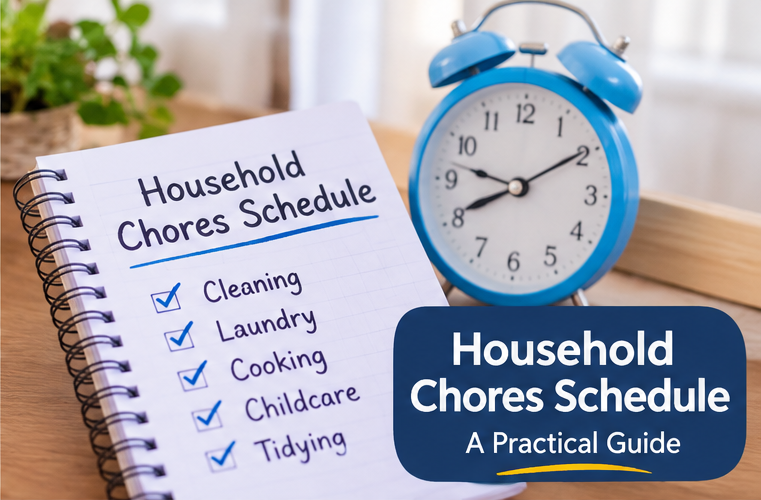
Why every household needs a chores schedule
A well-organised home does not necessarily require someone to clean constantly. It requires a system that ensures important tasks are completed consistently.
For many Kenyan households, balancing work, childcare, cooking, laundry and cleaning can become overwhelming. This is particularly true for parents who work full-time or operate businesses.
A practical household chores schedule helps distribute responsibilities, reduce misunderstandings and maintain a clean, comfortable living environment.
- Divide household chores into daily, weekly and monthly tasks
One common mistake is treating every household task as something that must be completed every day.
Instead, organise responsibilities according to how frequently they are needed.
Daily chores
- Washing dishes and cleaning kitchen surfaces.
- Sweeping high-traffic areas.
- Making beds and tidying bedrooms.
- Cleaning frequently used bathrooms.
- Preparing meals.
- Organising children’s play areas.
Weekly chores
- Thorough bathroom cleaning.
- Changing bed linen.
- Dusting furniture and shelves.
- Cleaning windows and mirrors.
- Washing and organising laundry.
- Cleaning kitchen appliances.
Monthly chores
- Cleaning behind heavy furniture.
- Organising cupboards and storage areas.
- Cleaning window tracks.
- Deep cleaning selected kitchen appliances.
- Reviewing items that need repair or replacement.
Some tasks, such as laundry and meal preparation, may need to be done more frequently depending on the size of the household.
- Create a realistic daily schedule
A household schedule should reflect the number of people living in the home, the available working hours and the responsibilities assigned to the domestic worker.
For example:
| Time | Suggested activity |
| 7:00–8:00 AM | Breakfast and kitchen organisation |
| 8:00–9:00 AM | Bedrooms and general tidying |
| 9:00–10:00 AM | Laundry |
| 10:00–11:00 AM | Bathroom and living areas |
| 11:00–12:00 PM | Meal preparation |
| 12:00–1:00 PM | Lunch and kitchen cleaning |
| 1:00–2:00 PM | Rest or agreed childcare duties |
| 2:00–3:00 PM | Remaining household tasks |
| 3:00–4:00 PM | Children’s activities and organisation |
This is an illustrative schedule, not a requirement that every household must follow. Adjust it to suit the agreed working hours and actual workload.
- Separate childcare from general household duties
One issue that frequently creates tension between employers and nannies is combining childcare with too many household responsibilities.
Caring for young children requires attention, patience and supervision.
If a nanny is responsible for childcare, the employer should clearly establish which additional household duties are reasonable and when they should be performed.
For example, preparing a child’s meals and organising their toys may naturally form part of childcare duties. However, expecting one person to supervise several young children while completing extensive cleaning can create an unrealistic workload.
- Involve your househelp in planning
A household schedule should not simply be imposed on the person responsible for carrying out the work.
Discuss the workload together. Ask which tasks take the most time, identify challenges and agree on priorities.
This creates clearer expectations and encourages accountability.
- Review the schedule regularly
Household needs change.
A family welcoming a newborn may require a different arrangement from a household with school-going children. Someone working from home may also need quieter cleaning hours.
Review the schedule whenever household circumstances change.
Frequently asked questions
How many hours should a househelp work?
Working hours should be agreed upon and comply with applicable employment requirements. Rest periods and weekly rest days should also be considered.
Should a nanny also clean the entire house?
This depends on the agreed job description. Childcare and extensive housekeeping are different workloads and should be clearly distinguished.
How do I manage a househelp’s daily duties?
Use a written schedule, communicate priorities and review completed tasks without creating unrealistic expectations.
Need help finding a housekeeper or nanny?
Mynanny connects households with domestic professionals, including nannies, housekeepers and caregivers.